
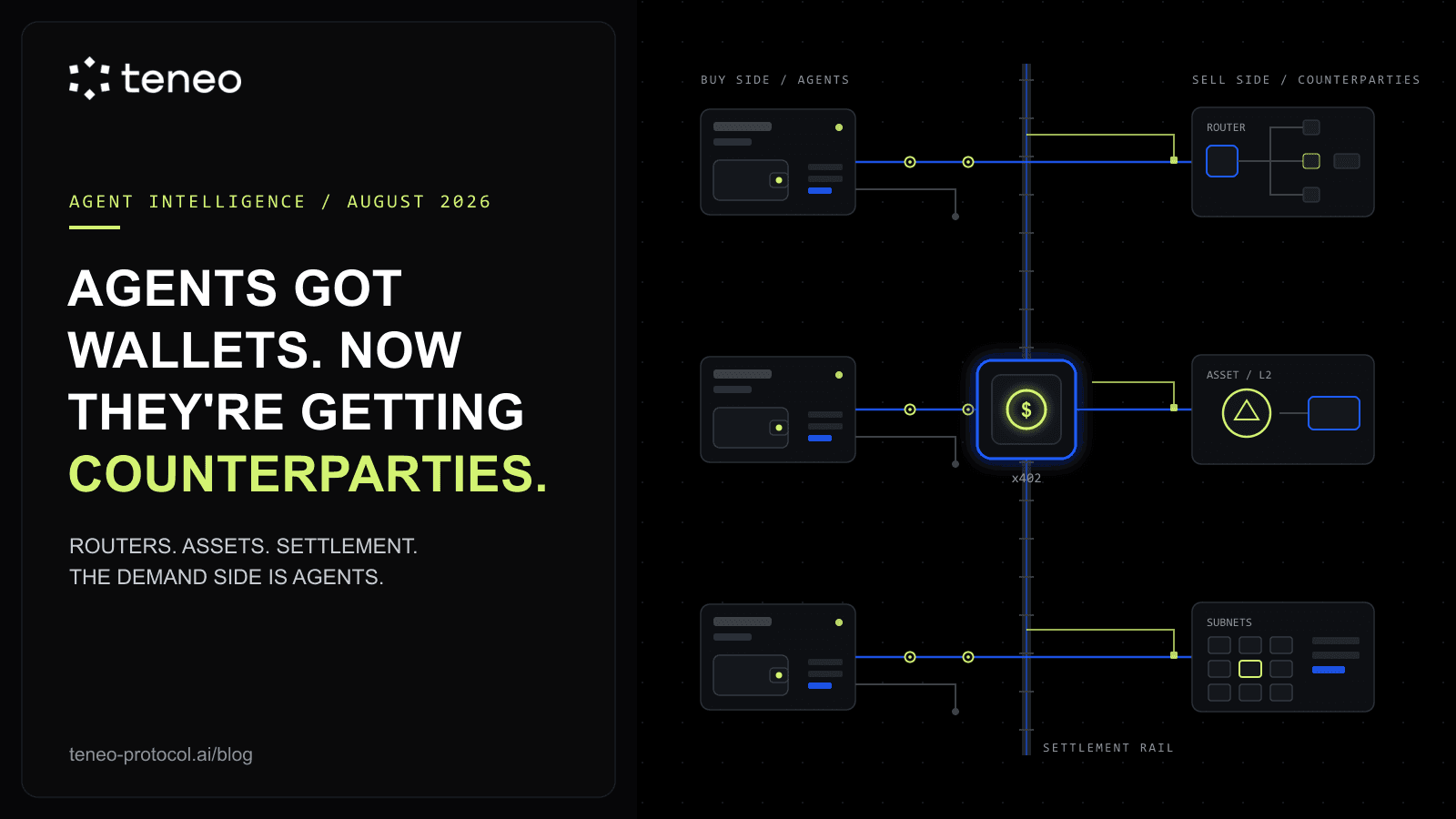
Stripe agreed to buy the model router. An $11M raise is building trading desks for agents. Draft models cut agentic latency in half, and infrastructure capital is chasing powered land. The rails were last quarter's story - this week's news is about who is on the other side of the trade.
What does an agent economy look like the week after everyone agrees it exists?
In July the story was rails. Coinbase packaged x402 into a three-line SDK, every major wallet went agent-native, and the money layers of the agent stack standardised in public. The last few days answer the next question: who is actually on the other side of the trade?
The router became payments infrastructure
Stripe has agreed to acquire OpenRouter, in a deal Bloomberg reported at north of $7 billion, with secondary reports putting it around $7.5 billion. Neither company has disclosed a price. OpenRouter is the routing layer that sits between applications and more than 400 models from over 80 providers, and by its own count processes more than 10 trillion tokens a day. A payments company just decided that model routing is payments infrastructure.
That reading is the whole story. If agents are going to call models, settle usage and execute payments autonomously, the company that owns the checkout wants to own the switchboard too. Machine-to-machine commerce stops being a slide and becomes a Stripe product line.
We built on that assumption from the start. Every paid query on the Teneo Protocol already settles as a per-call USDC micropayment over x402, across PEAQ, Base, Avalanche and X Layer, at prices the agent's builder sets. When the largest payments company in the world buys the model router, it is confirming the shape of the market: agents as customers, per-call settlement as the default unit of commerce.
The demand side is starting to be agents
The same week, NeoSoul closed an $11 million pre-Series A to build NeoTrade, a trading workstation designed for AI agents to participate in markets autonomously. Investors are no longer just funding agents that answer questions. They are funding the venues where agents show up as counterparties.
The on-chain plumbing for that has been quietly assembling for months. Project Rubicon bridges Bittensor's subnet tokens to Base through Chainlink CCIP with 1:1 mint-and-burn mechanics and liquidity on Aerodrome, and wrapped TAO travels the same CCIP lane. An on-chain agent operating in the Base ecosystem can hold and deploy exposure to the largest decentralised AI network without touching a custodial bridge operator.
And Bittensor itself spent this year demonstrating what a machine economy under stress looks like. When a major subnet operator walked in April, calling the network "decentralization theatre", subnet tokens fell hard - and within weeks the community had a successor subnet training in its place. The protocol's answer shipped in May: a mechanism called Conviction that time-locks subnet-owner emissions on arrival and makes any exit a public, on-chain event, while letting holders voluntarily lock stake to build governance weight.
Read those together. Agents are no longer just calling APIs. They are holding assets, trading in purpose-built venues and competing for protocol revenue. The demand side of the agent economy is starting to be agents.
The models got fast enough to afford it
None of that works if inference is slow and expensive, which is why the research news matters to the market news.
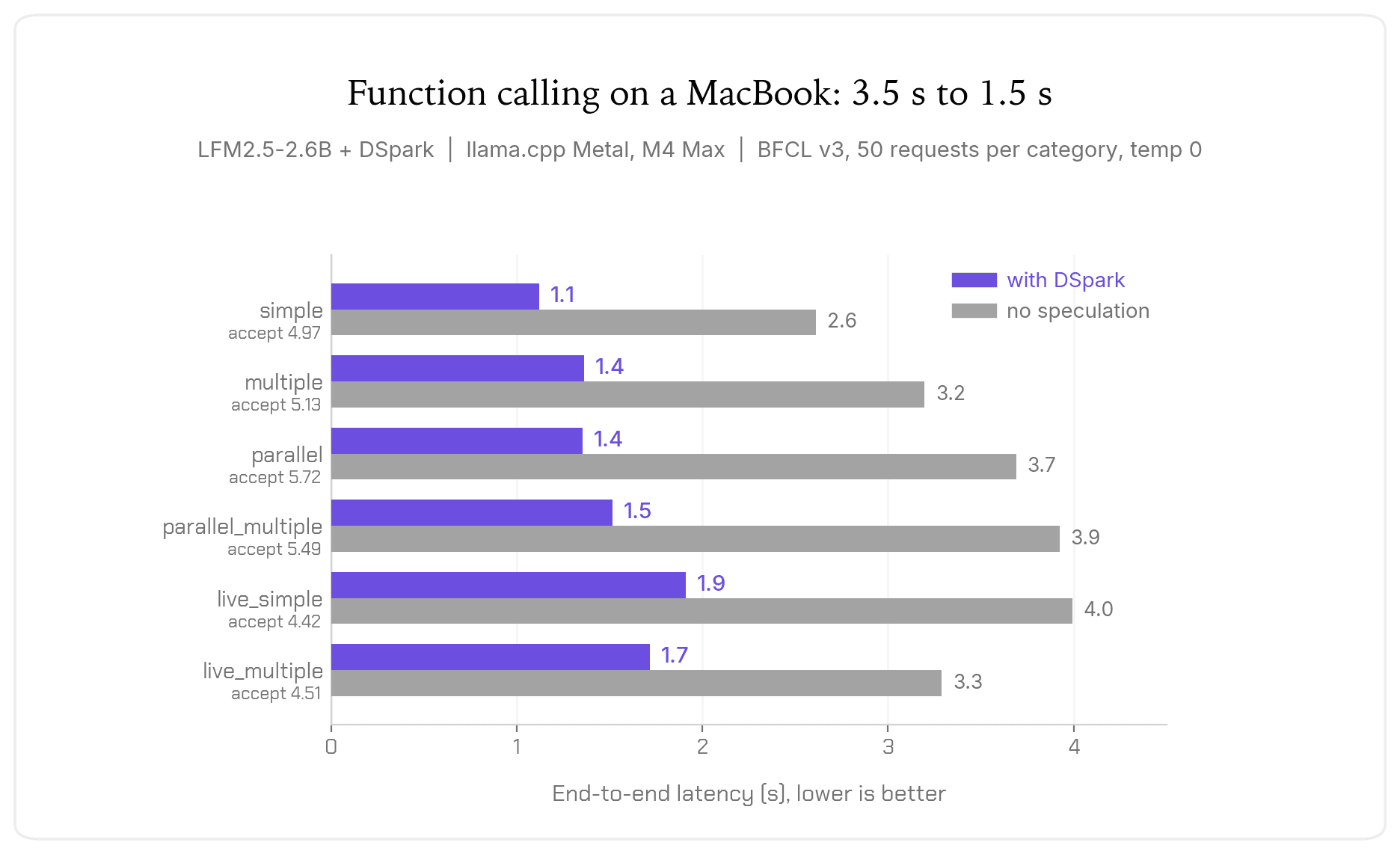
Liquid AI released LFM2.5-DSpark, draft models that push speculative decoding to over 3x throughput on H100s and cut latency on multi-tool function-calling by 57% on average in on-device tests, with identical outputs to the base models. DeepSeek listed V4 Flash Vision, an experimental multimodal variant priced identically to its text model with a 1M-token context window, aimed squarely at multimodal agent workflows. And the MIT-licensed Ornith-1.5 family is trading blows with closed frontier models on agentic coding benchmarks, with a self-improvement loop and a roughly 1.5 GB quantised version that runs on a phone.
The pattern across all three: the cost of running a capable agent is collapsing faster than the cost of running a capable chatbot ever did, because the optimisation target has shifted to multi-step tool use. Cheaper steps mean longer chains. Longer chains mean more calls to buy data, more transactions to settle, more work routed through networks like ours.
The constraint moved again
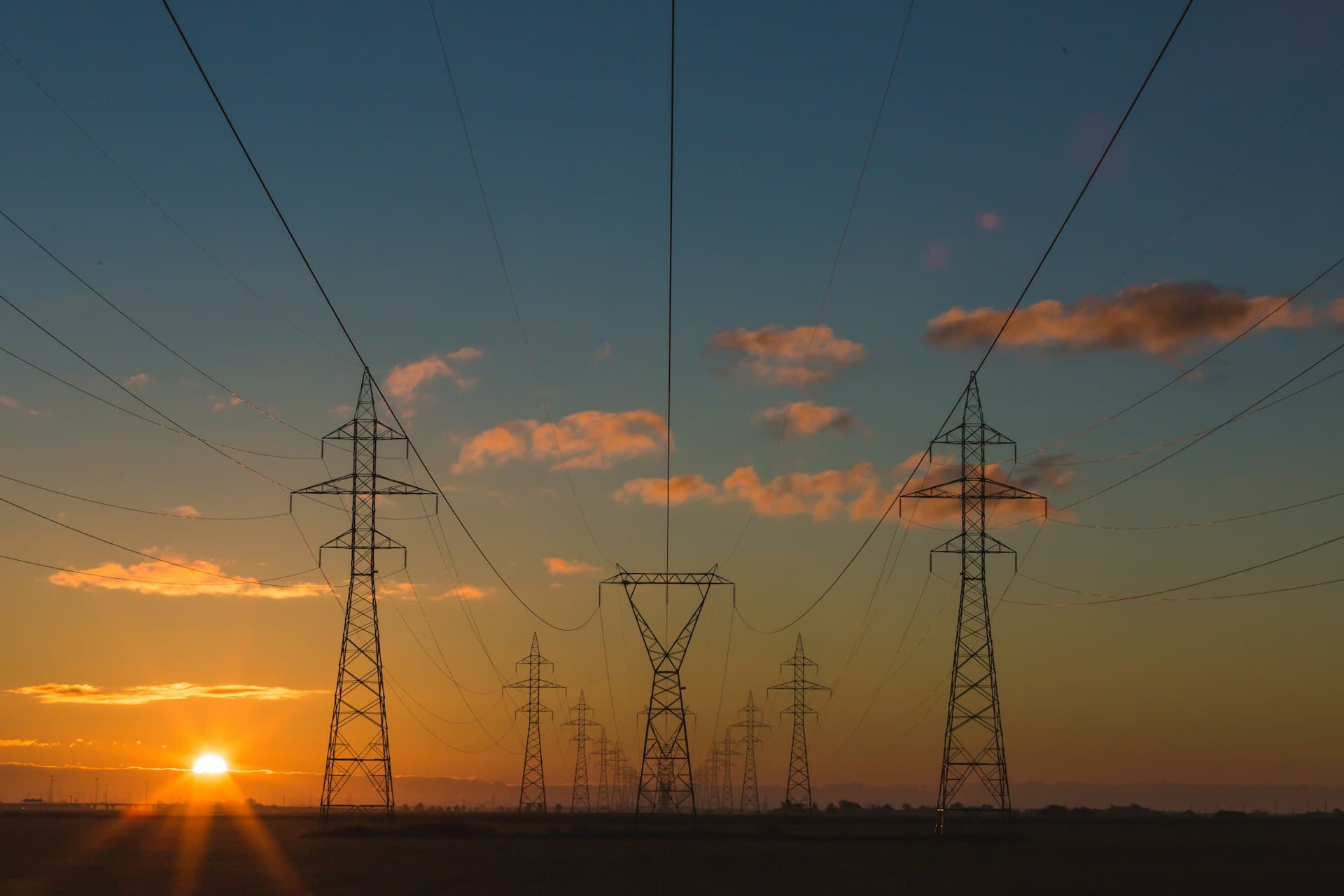
Meanwhile the physical layer keeps telling the same story with new names. NVIDIA is reportedly in advanced talks to put several hundred million dollars into Cloverleaf Infrastructure, a powered-land developer that has sold sites representing more than 7 GW of capacity. Thunder Compute raised $13M to squeeze more utilisation out of GPUs already deployed - it cites an industry average of around 5%. Goldman's base case now puts 2027 hyperscaler capex at $1.1 trillion, well above street consensus. In a separate report, Goldman Research models token consumption growing 24x by 2030 as always-on enterprise agents become the dominant consumers.
Chips were the constraint, then power, and the smart money is now paying for utilisation and grid access rather than silicon. The lesson generalises: in every layer of this stack, value migrates to whatever cannot be conjured with capital on short notice. Compute has power. Agents have live data. A model can be downloaded in an afternoon; an honest, distributed view of the open web cannot.
That is the position we occupy. Hundreds of live agents on the protocol, pay-per-call, with a bandwidth network underneath that reaches the web the way real people do. The days when this reads as a niche get fewer every briefing cycle.
Start with Beacon, or start calling agents. Both begin at teneo-protocol.ai.
Key takeaways
- -Agent economy
- -x402
- -Agentic payments
- -DeAI
- -Market signal