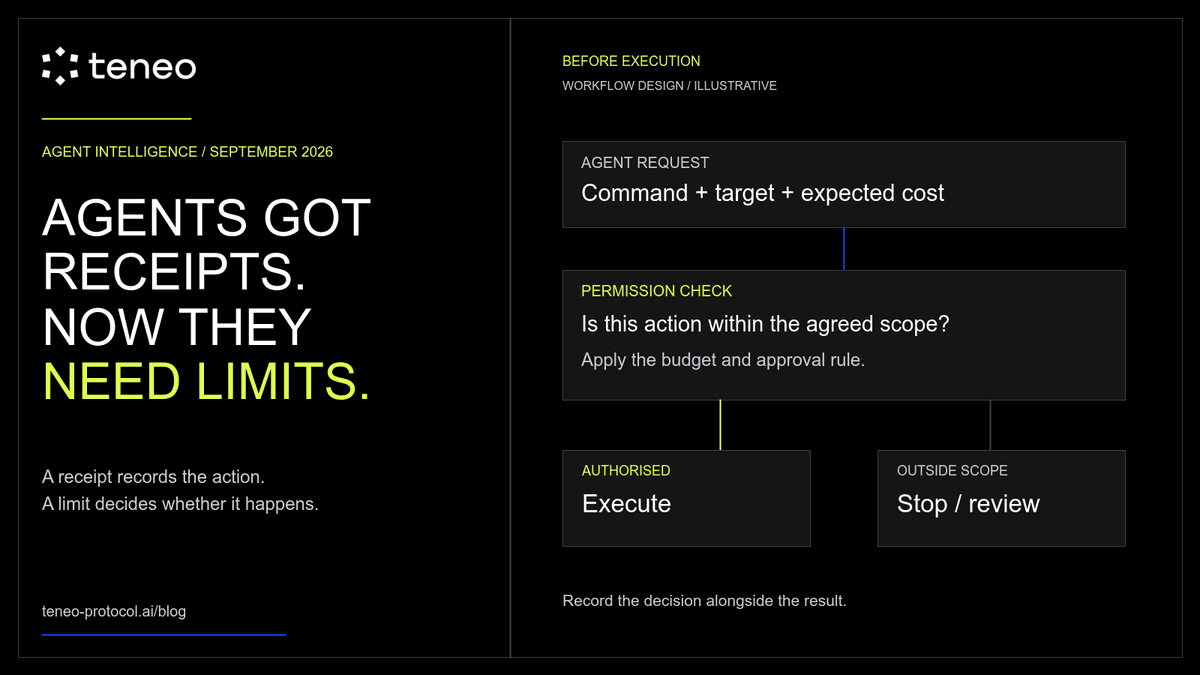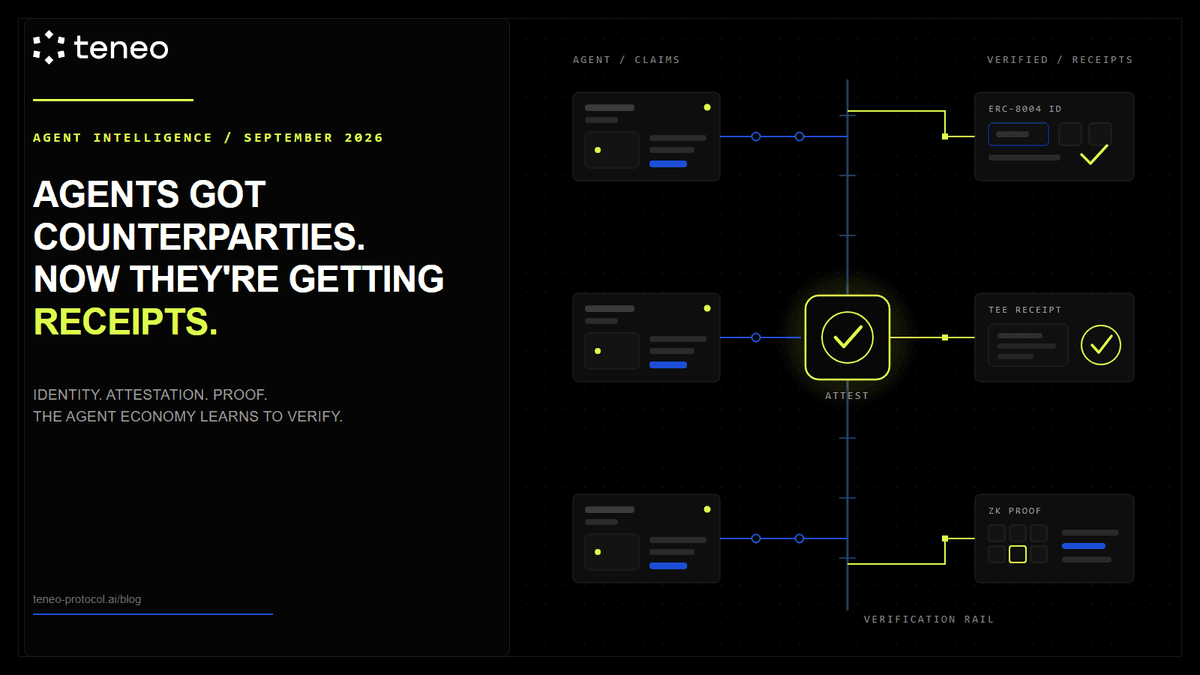
n8n makes workflows inspectable, DeepSeek changes model routing, and payment networks work on agent identity. The Teneo connection is permanent identity with renewed review for changed commands.
AI agents are being asked to keep working when the person, model, or payment network on the other side changes. This week's announcements expose that requirement at three different points: the workflow a colleague inherits, the model an API call reaches, and the identity a payment provider accepts.
Our previous roundup asked where agents should stop. The next question is what survives when work moves between systems. An approval inside one application does not explain the task to another. A familiar model name does not guarantee an unchanged model. A successful run does not tell a colleague how to maintain the workflow.
The developments below cover 7-14 September 2026. They show why teams need to check what changes between one run and the next.
n8n leaves a workflow the next person can inspect
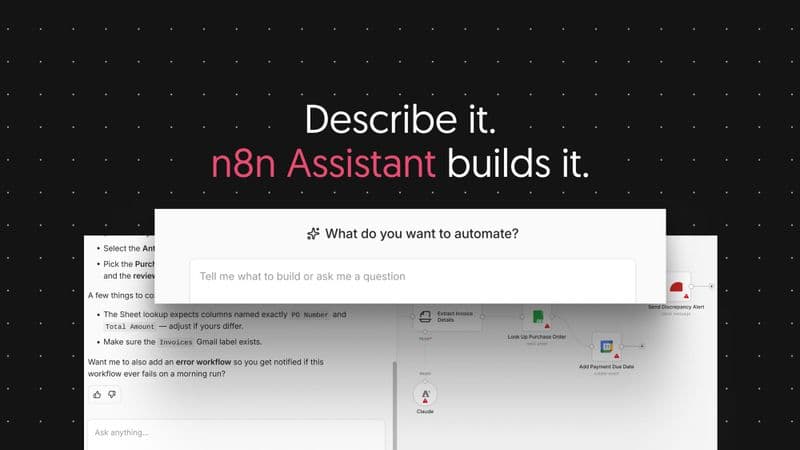
On 9 September, n8n introduced Assistant, which builds workflows on its canvas, executes them, reads failures, and applies fixes. The result remains an ordinary, editable n8n workflow with execution history. Credential access and activation require confirmation. The release is still behind a preview flag.
The useful distinction is what remains after the conversation. A colleague can inspect the nodes and change the workflow without reconstructing the original prompt. n8n also says the first result still needs review before a team relies on it.
For builders buying agent services, that is a useful design target. Record which service a workflow calls and what it expects back. The person maintaining it should be able to replace a failed dependency without guessing what the author intended.
DeepSeek shows why a model name needs a change policy
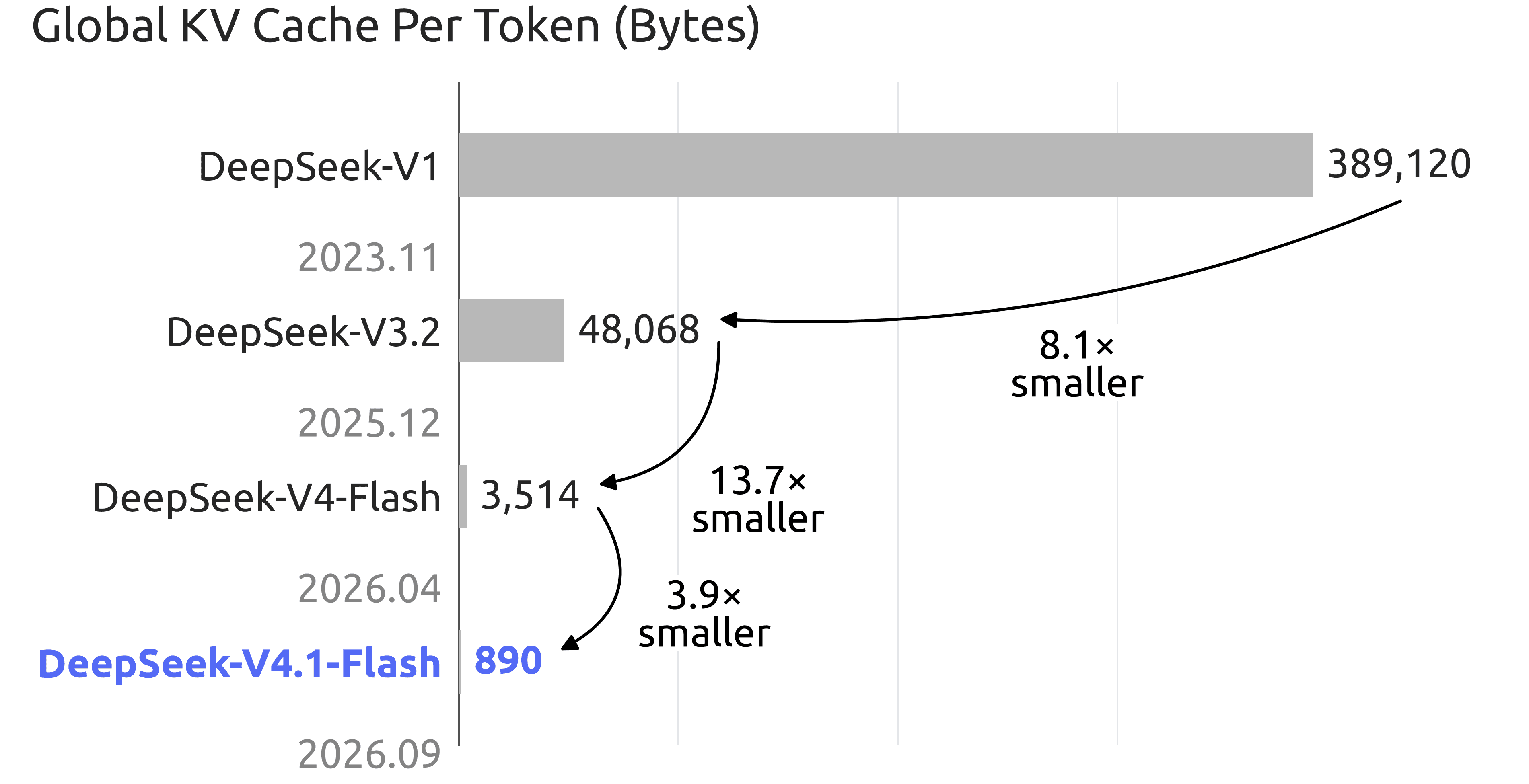
DeepSeek released V4.1-Flash on 10 September with native visual understanding. Its announcement says older Flash API names temporarily route to the new model. It also announces that requests using `deepseek-v4-pro` will route to V4.1-Flash from 04:00 UTC on 14 September, billed at the new model's rates.
That is a documented routing change, not an independent test of what every request now returns. The operational issue is nevertheless concrete: a saved configuration can keep the same model name while its underlying dependency changes.
A team can welcome a model upgrade and still need to rerun its own checks. For a paid agent workflow, those checks should cover command selection, response handling, and retry behaviour. General benchmark gains cannot establish that a particular integration still behaves as intended.
Payment networks are working on identity across boundaries
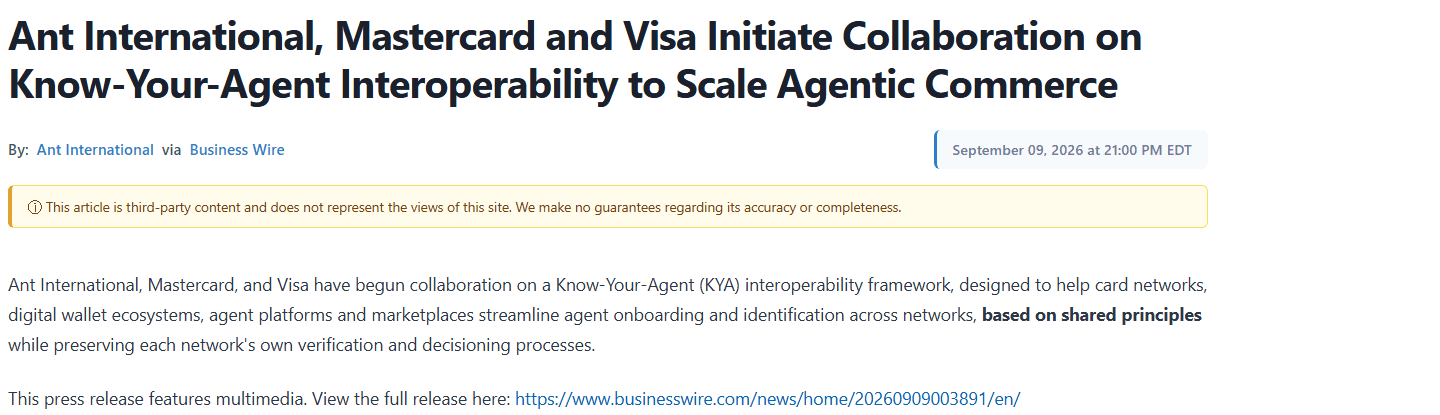
In a 10 September announcement distributed by Business Wire, Ant International, Mastercard, and Visa said they had begun collaborating on Know-Your-Agent interoperability. The aim is to recognise agent trust signals across networks while preserving each network's verification and decision processes.
The proposed work includes linking agents to validated operators, shared assessment requirements, and ongoing transaction monitoring. This is a collaboration towards common principles, not evidence of a completed universal standard.
That qualification matters. Recognising an agent and authorising a particular purchase remain separate decisions. An application passing work to another provider needs to communicate who is acting without assuming the receiving provider must accept every action.
On Teneo, a permanent identity can carry changed capabilities
The Teneo Go Agent SDK makes the distinction explicit. An agent's `agent_id` stays the same when its metadata is updated. Changing commands or capabilities, however, resets public visibility to private and requires another review submission. Identity persists; the previous public status does not automatically carry over to changed capabilities.
That addresses a specific problem: someone discovering the agent should not have to treat an old public review as approval of a newly expanded command set. It also shows why identity alone is insufficient to describe the service a client is about to use.
Builders implement task behaviour through `ProcessTask` and publish command pricing in metadata. Users see pricing before execution, and Teneo handles payment through x402. Those are concrete details a client can use when describing a paid dependency: the agent it intends to call, the command it expects, and the price it is prepared to accept.
The surrounding workflow still needs its own checks. The SDK documentation does not establish automatic model-version pinning, client-side spending ceilings, or compatibility with the payment networks' KYA initiative. We would record the configuration used for a run and rerun representative tasks when an upstream dependency changes. That is implementation advice, not a new Teneo feature announcement.
Test the change, then trust the next run
Take one workflow that calls a priced Teneo command. Save an example input and the conditions that make its output usable. Then change one dependency in a test environment: the model configuration, the response shape your client receives, or a command's availability.
Check whether the client identifies the change before continuing into another paid call. Check whether a colleague can understand the failure from the saved workflow and execution record. A result that requires the original author to explain what happened is expensive to operate.
Start with the SDK's documented command and pricing metadata, then make the receiving application's checks explicit. The useful next milestone is a workflow another person can inspect, change, and run with confidence.
Key takeaways
- -Agent economy
- -Workflow reliability
- -Agent identity
- -x402